
Why Energy Drink Companies Target You (And How to Break Free)
Energy drink brands spend billions to make you dependent. Here's how they manipulate gamers, students, and workers - and why breaking free is your power move.
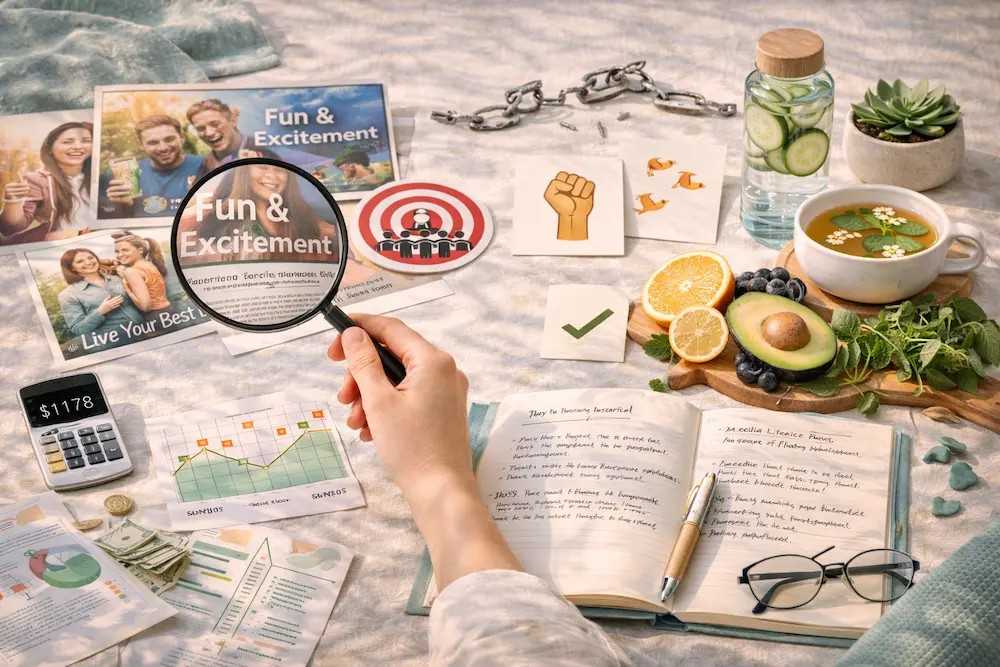
Energy Drink Marketing Tactics Exposed
Why Energy Drink Companies Target You (And How to Break Free)
The energy drink industry is worth over $86 billion globally. That money doesn't come from casual drinkers. It comes from people like you - drinking one, two, three cans a day, every day, for years.
They don't want you to try their product. They want you addicted to it.
Let's expose exactly how they do it - and how you can break free.
The Target: You
Energy drink companies don't market to everyone. They focus on specific groups who are most vulnerable to dependence:
1. Gamers and Esports Players
The tactic: Sponsor major esports teams, streamers, and gaming events. Plaster logos everywhere. Make energy drinks synonymous with gaming culture.
The message: "Real gamers drink this. Winners drink this. You need this to compete."
Why it works: Gaming often involves long sessions, late nights, and intense focus. Energy drinks seem like the perfect solution. The community reinforcement makes it feel normal - even essential.
The reality: You don't need chemical stimulants to game well. Hydration, sleep, and breaks make you a better player than caffeine crashes ever will.
2. Students (High School and College)
The tactic: Place vending machines in schools and on campuses. Market during exam seasons. Partner with student organizations. Use influencers in that age group.
The message: "Survive finals. Pull all-nighters. Hustle harder."
Why it works: Students are sleep-deprived, stressed, and looking for any edge. Energy drinks promise quick focus and endurance during crunch time.
The reality: Energy drinks wreck your sleep quality, making the cycle worse. You study less effectively on caffeine crashes than you would with proper rest.
3. Night Shift Workers and Truck Drivers
The tactic: Heavy placement at gas stations, truck stops, and convenience stores. Advertising that targets exhaustion and long hours.
The message: "Stay awake. Stay alert. Get through the shift."
Why it works: These jobs demand alertness during hours when your body desperately wants to sleep. Energy drinks feel like a safety measure.
The reality: Dependence on stimulants to stay awake during night shifts increases heart risk, cognitive decline, and accident rates over time.
4. Fitness Enthusiasts and Gym-Goers
The tactic: Rebrand as "performance drinks" or "functional beverages." Sponsor athletes, CrossFit gyms, and extreme sports. Emphasize taurine, B-vitamins, and electrolytes.
The message: "Pre-workout power. Peak performance. Train harder."
Why it works: If athletes use it, it must be effective, right? The health halo makes it seem less harmful than it is.
The reality: The sugar and stimulant load often harms performance more than it helps. Real athletes prioritize hydration, nutrition, and rest - not canned stimulants.
The Tactics They Use
Placement and Availability
What they do: Energy drinks are placed at eye level in stores, near checkout lanes, in vending machines, at gas station counters - everywhere you make quick, impulsive decisions.
Why it works: Convenience breeds habit. The easier it is to grab, the more often you do.
The "Hustle Culture" Messaging
What they do: Use slogans like "Unleash the Beast," "Gives You Wings," "Fuel Your Hustle," and imagery of extreme sports, late-night grind sessions, and relentless ambition.
Why it works: They tap into the cultural glorification of overwork and sleep deprivation. Drinking energy drinks becomes a badge of hard work and dedication.
The truth: Real high performers prioritize rest, recovery, and sustainable energy. Burning out on stimulants isn't hustle - it's self-sabotage.
Influencer Marketing and Sponsorships
What they do: Pay popular streamers, YouTubers, TikTokers, and athletes to drink their products on camera. Sponsor teams and events. Create "exclusive" flavors for communities.
Why it works: Parasocial relationships make fans trust these figures. If your favorite streamer drinks it, it feels like a recommendation from a friend.
The truth: They're paid promotions. These influencers often don't drink the product off-camera - or if they do, they're not disclosing the health consequences.
The "Functional Drink" Rebrand
What they do: Shift away from "energy drinks" and toward "performance beverages" or "functional hydration." Emphasize vitamins, amino acids, and "natural" ingredients.
Why it works: It makes the product seem healthier, less dangerous, and more legitimate than soda or coffee.
The truth: High caffeine content, excessive sugar, and synthetic stimulants don't become healthy just because you add B-vitamins and call it "functional."
Social Proof and FOMO
What they do: Create limited-edition flavors, exclusive drops, and community-driven hype. Make it a social experience to try new flavors or collect cans.
Why it works: Fear of missing out drives purchases. The excitement of a new flavor distracts from the fact that you're consuming the same harmful base product.
Normalizing Daily Consumption
What they do: Market energy drinks as a daily staple, not an occasional boost. Use phrases like "start your day right" and "fuel up."
Why it works: Once it's part of your routine, quitting feels like losing something essential rather than removing something harmful.
The truth: Your body adapts to the caffeine, requiring more to get the same effect. What started as one can becomes two, then three. That's dependence.
Why They Want You Addicted
Let's be blunt: addiction is profitable.
A casual energy drink consumer might buy one can a week. That's about $4-5/month.
A daily consumer buying 1-3 cans per day? That's $150-$450/month. Over a year, that's $1,800-$5,400.
Over a lifetime, if you stay hooked for even 10 years, that's $18,000-$54,000.
For one person.
Energy drink companies don't make money from people who try their product once. They make money from people who can't stop.
How to Break Free
1. Recognize You're Being Manipulated
The first step is awareness. These companies spend billions on marketing because it works. Recognizing the tactics makes them less effective.
2. Understand the Lifetime Cost
Calculate how much you've spent. Use an app like Uncanly to track your daily cost and savings. Seeing the numbers makes quitting feel empowering, not restrictive.
3. Reject the "Hustle Culture" Lie
You don't need stimulants to be productive. The most successful people prioritize sleep, exercise, and recovery - not chemical dependence.
4. Find Real Alternatives
- Hydration: Water, herbal tea, coconut water
- Natural energy: Movement, sunlight, protein-rich snacks
- Better focus: Short breaks, proper sleep, time management
5. Use the Same Tools They Use Against Them
They use habit loops, social proof, and community to hook you. You can use those same tools to quit.
- Habit replacement: Swap energy drinks for sparkling water or tea
- Social proof: Join communities of people quitting (like Uncanly)
- Visual tracking: Use apps to see your progress and savings
6. Reframe Quitting as Power, Not Loss
Quitting isn't giving up something good. It's taking back control from companies that profit off your dependence.
Every day you don't buy an energy drink is a day you:
- Save $4-6
- Lower your heart rate
- Improve your sleep
- Reduce anxiety
- Break free from manipulation
That's not loss. That's winning.
What They Don't Want You to Know
Energy drink companies thrive on:
- Your dependence
- Your belief that you need them
- Your normalization of daily consumption
- Your fear of quitting (withdrawal, lost energy, FOMO)
They don't want you to know:
- Withdrawal lasts 1-2 weeks, then you're free
- Your energy stabilizes naturally after 3-4 weeks
- You'll save thousands of dollars
- You'll feel sharper, calmer, and healthier without them
The industry needs you hooked. You don't need the industry at all.
Take Your Power Back
Quitting energy drinks isn't just a health decision. It's an act of rebellion against companies that manipulate your brain chemistry for profit.
They spent billions to get you hooked.
You can spend 30 days to get free.
You don't owe them your health. You don't owe them your money. You don't owe them your dependence.
Break the cycle. Reclaim your energy. Take your power back.
Ready to quit on your terms? Uncanly helps you track your progress, beat cravings, and connect with others breaking free.