
The First 30 Days: A Day-by-Day Timeline of Quitting Energy Drinks
Wondering what happens when you quit energy drinks? Here is exactly what to expect during your first month, from withdrawal symptoms to breakthrough moments.
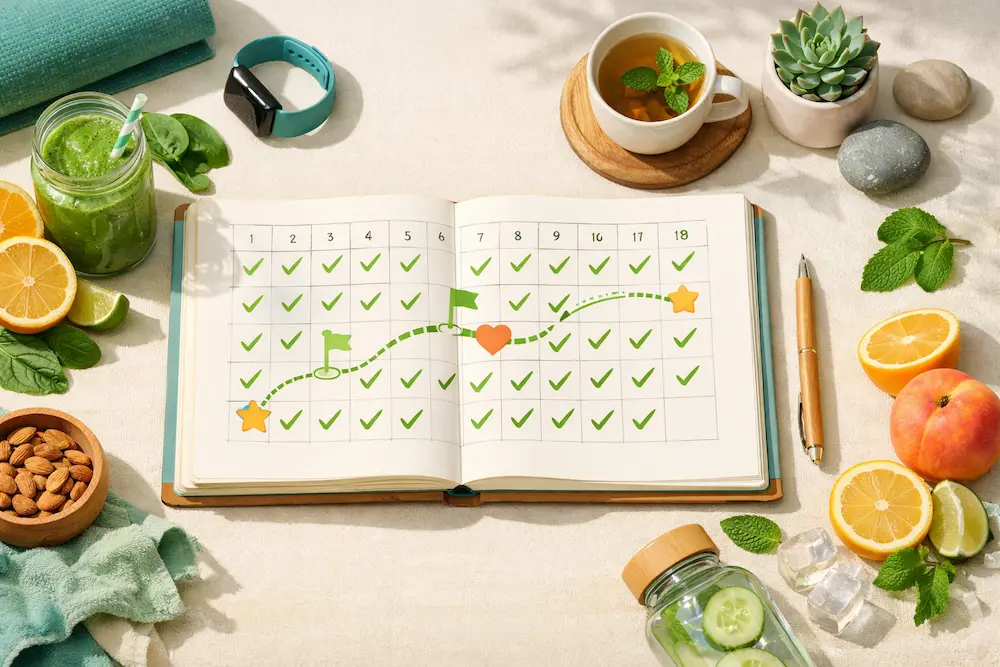
30 Day Timeline for Quitting Energy Drinks
The First 30 Days: A Day-by-Day Timeline of Quitting Energy Drinks
Quitting energy drinks feels different for everyone, but the general pattern is surprisingly consistent. Understanding what to expect can make the difference between pushing through and giving up on day three.
This is your roadmap. The good, the bad, and what it takes to get to the other side.
Before You Start: Set Yourself Up for Success
Don't start your detox during finals week, a major project deadline, or while traveling. Pick a relatively calm period where you can afford to be a little off your game.
What to prep:
- Stock up on healthy alternatives (herbal tea, sparkling water, fruit)
- Clear your space of energy drinks (seriously, get rid of them)
- Tell someone you trust (accountability matters)
- Download a tracking app like Uncanly to monitor symptoms
Days 1-3: The Crash
Day 1: The Honeymoon
What you might feel: Surprisingly normal. Maybe even optimistic.
Why: Your body still has residual caffeine and your willpower is high. Some people feel a slight headache by evening.
What to do:
- Hydrate aggressively (aim for 8-10 glasses of water)
- Go to bed early (your sleep might be rough, but try)
- Avoid sugar to prevent compounding withdrawal
Pro tip: This is the easiest day. Don't get cocky.
Day 2: Reality Hits
What you might feel: Fatigue, mild headache, irritability, brain fog
Why: Caffeine withdrawal peaks around 24-48 hours. Your adenosine receptors (which caffeine blocks) are suddenly wide open, making you feel exhausted.
What to do:
- Drink green tea or half-caff coffee if you need relief (tapering is okay)
- Eat protein and complex carbs for steady energy
- Take a 20-minute power nap if possible
- Move your body (even a 10-minute walk helps)
Pro tip: If you get a headache, try peppermint oil on temples or a small amount of caffeine (50mg max).
Day 3: The Hardest Day
What you might feel: Peak withdrawal. Pounding headache, exhaustion, mood swings, difficulty concentrating
Why: Your brain is recalibrating without the artificial stimulation. This is when most people relapse.
What to do:
- Remind yourself this is temporary (it gets better after today)
- Rest as much as possible
- Avoid making big decisions or having difficult conversations
- Eat something salty if you feel dizzy (electrolytes help)
Pro tip: Put a reminder on your phone: "Tomorrow will be easier." Because it will be.
Days 4-7: The Turning Point
Day 4: Light at the End of the Tunnel
What you might feel: Headache starts to fade, energy is still low but more stable
Why: The worst of the physical withdrawal is passing. Your body is starting to adjust.
What to do:
- Keep up the hydration and clean eating
- Try a short workout (endorphins are your friend)
- Celebrate making it through the hardest part
Pro tip: Take note of how you sleep tonight. Many people start sleeping better around day 4-5.
Day 5: Mood Swings
What you might feel: Energy improving but emotions all over the place. Irritability, sadness, or anxiety spikes.
Why: Your dopamine system is recalibrating. Energy drinks artificially boosted mood, and now your brain is learning to regulate itself again.
What to do:
- Be gentle with yourself
- Journal your feelings (it helps process them)
- Talk to someone if you need support
Pro tip: This emotional phase passes faster if you acknowledge it rather than fight it.
Day 6-7: Stabilizing
What you might feel: More like yourself. Energy is returning naturally. Cravings are less intense.
Why: Your body is adapting. Sleep quality is improving, which helps everything else.
What to do:
- Establish a new morning routine (to replace the energy drink ritual)
- Notice the wins (clearer skin, better sleep, steadier mood)
- Stay vigilant about triggers (gas stations, stressful moments)
Pro tip: Week one is done. You've survived the hardest part.
Days 8-14: Building Momentum
What you might feel: Genuine energy returning, better focus, improved sleep quality, fewer cravings
Physical changes:
- Sleep cycles normalizing
- Reduced anxiety and jitters
- Steadier energy throughout the day (no more 2pm crashes)
- Possible weight changes (water retention decreasing or sugar withdrawal stabilizing)
Mental shifts:
- Clearer thinking
- Better mood regulation
- Less dependence on external stimulation
What to watch for:
- Situational cravings (gaming sessions, driving, work stress)
- Boredom or habit loops ("I always drink something here")
What to do:
- Solidify your replacement habits (morning tea, afternoon walk)
- Track your progress visually (use Uncanly or a journal)
- Reward yourself for hitting the 2-week mark
Days 15-21: The Clarity Phase
What you might feel: This is where people report breakthroughs. More energy than before, better sleep, improved focus.
Why: Your body has reset. Natural energy production is kicking in. Your adrenal system is recovering.
Physical changes:
- Consistently better sleep
- Skin clearing up
- Reduced bloating or digestive issues
- Natural energy patterns emerging
Mental shifts:
- Realization that you don't actually need energy drinks
- Confidence building
- Less emotional volatility
Challenges:
- Complacency (thinking "one can won't hurt")
- Social pressure (friends offering you a drink)
What to do:
- Reflect on how far you've come
- Notice the financial savings (calculate it!)
- Prepare responses for social situations ("I'm taking a break from those")
Days 22-30: The New Normal
What you might feel: Energized, clear-headed, proud. The cravings are mostly gone or very manageable.
Physical benefits by now:
- Better cardiovascular health (steadier heart rate and blood pressure)
- Improved hydration and skin health
- Weight stabilization
- Stronger immune function (better sleep = better immunity)
Mental benefits:
- Reduced anxiety
- Better emotional regulation
- Improved focus without artificial stimulation
- Sense of accomplishment
What to watch for:
- The "I've got this, one can won't hurt" trap (it will restart the cycle)
- Stressful events that trigger old habits
What to do:
- Celebrate 30 days (this is huge!)
- Set new goals (60 days? 90 days? Forever?)
- Share your story (it helps others and reinforces your commitment)
What Happens After 30 Days?
Most people report:
- 60 days: Habits are fully reset. Energy drinks don't even sound appealing anymore.
- 90 days: Physical markers improve (better bloodwork, lower blood pressure in some cases)
- 6 months: Completely free from cravings. New identity as someone who doesn't drink energy drinks.
When It Gets Hard
You will have hard days. Maybe on day 10, or day 20, or randomly on a Tuesday when you're stressed.
Remember:
- One moment of discomfort is not worth restarting from zero
- Cravings pass in 10-15 minutes (ride them out)
- You're not quitting forever, just not drinking one today
The Bottom Line
The first 30 days are not easy, but they're not impossible. Millions of people have done this. You can too.
And here's the best part: once you're on the other side, you'll wonder why you ever drank those things in the first place. The energy you get from sleep, food, and movement is so much better than anything that came from a can.
Need support through the process? Uncanly tracks your progress, helps you manage cravings, and reminds you why you started. Because 30 days from now, you could be a completely different person.